
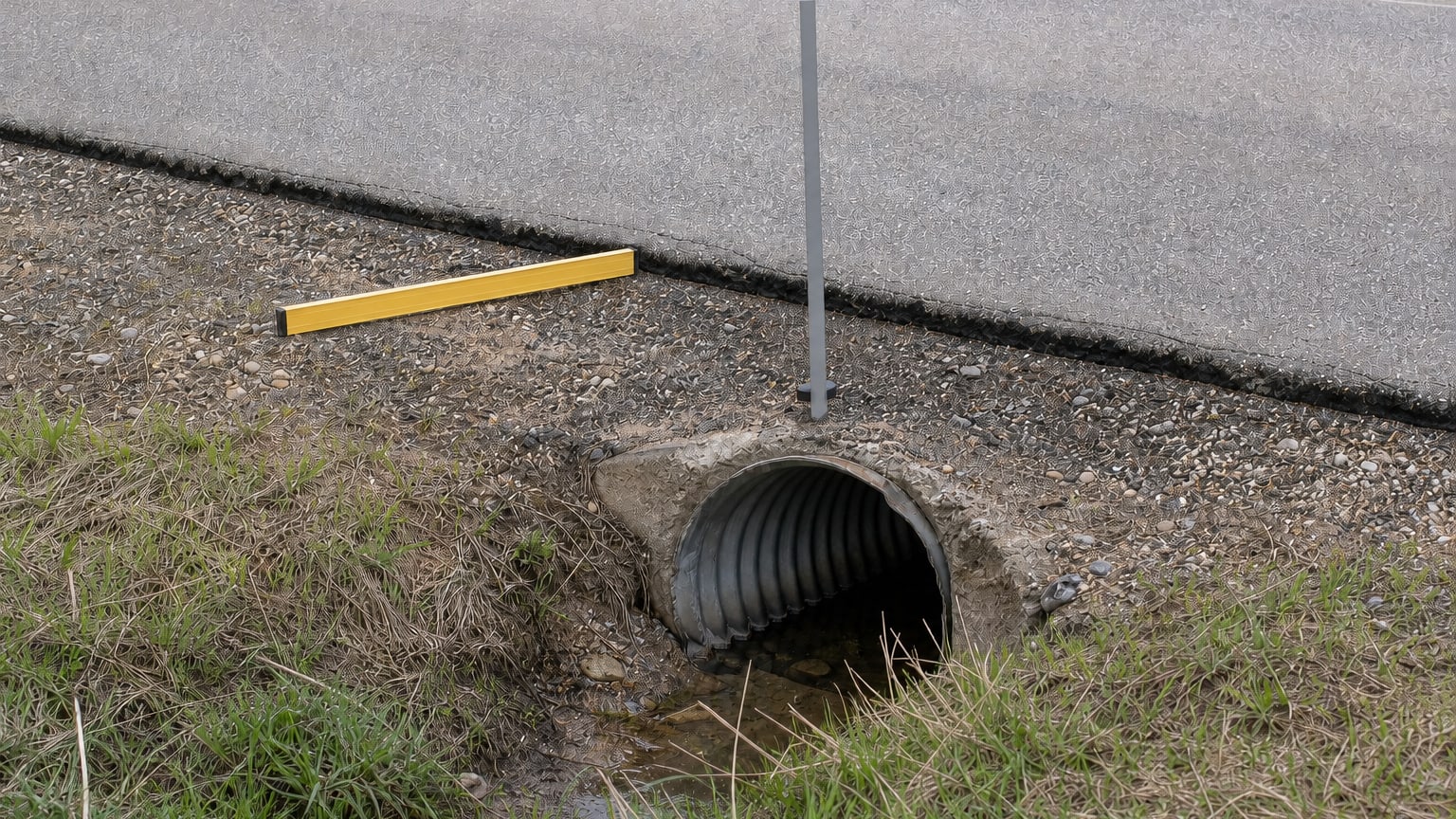
District 2 residents feel the same pressures in different ways. A new subdivision can mean a home for a teacher and another turn lane that was never planned. A missed clinic appointment can become an emergency call. A washed-out culvert can close the fastest route for a family, a delivery truck, and a first responder at once.
Martha’s plan starts from those connections. She is proposing a county government that plans across boundaries, sets firm limits on public commitments, and reports whether the work delivered.
Make room for homes—and the infrastructure they need
Martha supports a matched housing partnership capped at $2.4 million in total county funding over three fiscal years. County money would require outside matching support, public affordability terms, and measurable results. The focus would be workforce affordability, rehabilitation, and compact homes near existing services.
For major residential projects of 50 or more homes, she supports infrastructure conditions tied to documented effects. She would update the comprehensive plan, direct most growth toward places with existing or planned capacity, and expand voluntary conservation options for rural landowners.
Her infrastructure commitment includes a public five-year schedule for roads, stormwater, emergency communications, and facilities. She supports up to $1.6 million in one-time reserve funding for documented capital backlog while keeping at least $8 million in unassigned reserves.
Read the homes, drainage, and roads plan.
Put access to care into the safety conversation
Martha would reject the sheriff’s separate $1.8 million expansion request and move $1.8 million annually at full implementation from the current sheriff baseline to locally controlled county health services.
The sheriff budget would move from $18.4 million to $16.6 million. County health would move from $12.6 million to $14.4 million. Martha says the health investment can help address needs earlier through clinic hours and staffing, mobile behavioral-health and outreach, and housing-related coordination.
She also accepts the cost of that choice: fewer deputy shifts, less overtime flexibility, slower response to lower-priority calls, less proactive patrol, and a slower vehicle and equipment replacement schedule. Voters should see the complete choice, not only the part either side finds easiest to defend.
See every line of the health-and-response proposal.
Keep the commitments bounded
Martha does not propose spending the county reserve as if it were recurring revenue. Her housing contribution has a total cap and a three-year disbursement period. Her capital proposal is one time. Her $8 million reserve floor remains in place. Programs and partnerships would publish goals and results, and those that repeatedly miss their goals should not continue automatically.
This is a plan for selective investment, not an unlimited county role. Martha’s case is that a defined investment made early can be less costly than years of disconnected reaction.
Plan before the crisis. Put the partners at one table. Give residents a number, a deadline, and a result they can check.