
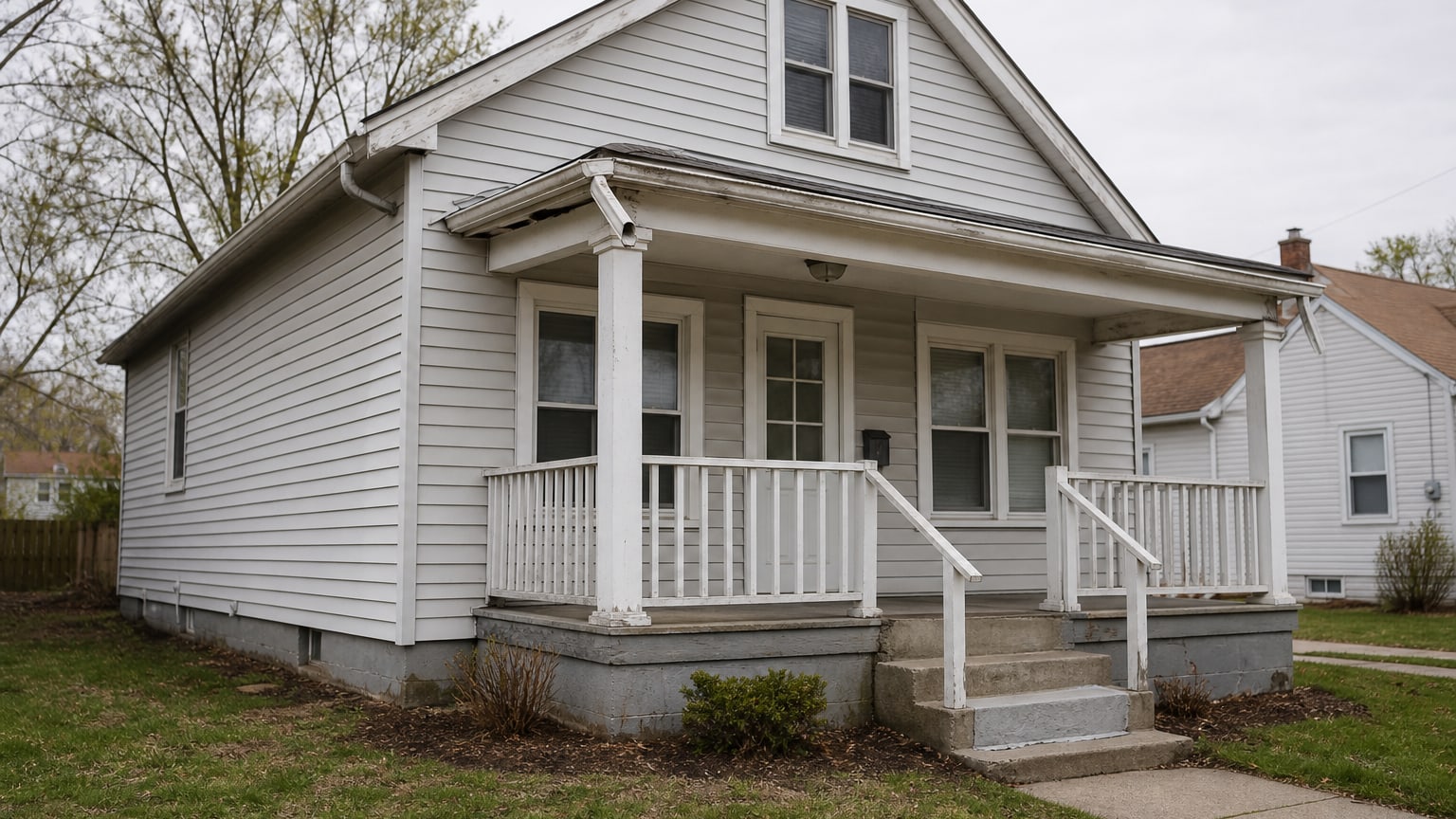
Housing is not only a question of how many units get approved. It is also a question of whether a teacher, nurse, tradesperson, or longtime resident can afford the home—and whether the road, drainage system, and emergency response can support it.
Martha would put those decisions into one public plan.
A housing partnership with a stop line
The county contribution would be capped at $2.4 million total and disbursed over three fiscal years. Projects would need outside matching support, public affordability terms, and a way to measure what the county received for its money.
The partnership would focus on three needs:
- compact homes near existing services;
- rehabilitation that keeps usable homes in service; and
- workforce affordability connected to local recruitment needs.
Martha forecasts that combining county and outside support can produce more affordable and rehabilitated homes. That result is not guaranteed. It depends on the quality of the match, the affordability terms, project selection, and delivery. She would require those terms to be public before funds are committed.
Growth should carry its costs
Martha supports an updated comprehensive plan that directs most growth toward places with existing or planned capacity. For a residential proposal of 50 or more dwelling units, infrastructure conditions should reflect the project’s documented effects on roads, drainage, and other services.
In rural areas, she favors voluntary conservation tools for landowners rather than treating rural character as a campaign slogan. The goal is to give compact growth a practical place to go while preserving choices outside already-served areas.
Publish five years of capital work
Cressvale County has an $11.8 million documented backlog of road, stormwater, emergency-communications, and facility work. Martha would publish a five-year capital schedule showing the project, responsible government, funding source, expected timing, and completion measure.
She supports using up to $1.6 million from projected unassigned reserves, one time, for documented backlog projects. That proposal would not eliminate the full backlog or pay recurring operating costs. It would move defined work while preserving an $8 million reserve floor.
Municipal and county work should be coordinated before the pavement is opened or equipment is dispatched. Residents should be able to see who owns a problem, when work is planned, and how a delay changes the schedule.
What Martha would publish
- The match, affordability term, county subsidy, and expected result for each housing project.
- The documented infrastructure effect and required commitment for each major residential project.
- A five-year road, drainage, communications, and facility schedule.
- The scope, cost, start date, and completion measure for each one-time reserve project.
The county cannot promise that every road or housing need disappears in one budget. It can stop making those choices one disconnected project at a time.